
Best Toasters & Toaster Ovens
Toasters and toaster ovens tested for even browning and versatility.
10 reviews
Category Overview
What to know about toasters & toaster ovens
Toasters and toaster ovens solve different problems, and the best kitchen owns one of each; or a smart hybrid. A pop-up toaster is the right tool for bread, bagels, and frozen waffles; its narrow slots toast evenly because the heating elements sit close to the bread. A toaster oven handles anything that doesn't fit in a slot: pizza slices, leftover French fries, small casseroles, open-faced sandwiches.
The step up; a convection toaster oven; adds a fan that circulates hot air, cutting cooking times and crisping like a mini-range. Countertop convection ovens from Breville, Cuisinart, and Panasonic can genuinely replace a full-size oven for many weeknight tasks and use far less energy. The specs that matter: slot length and depth for pop-up (9 inches minimum for artisan loaves), cavity size for ovens (big enough for a 12-inch pizza), wattage (1,800+ for convection), and the number of heating elements (six beats four).
We tested each model on white toast, frozen bagels, sourdough slices, reheated pizza, and roasted Brussels sprouts. Rankings weigh evenness, consistency, speed, and how long the unit stays calibrated over repeated use.
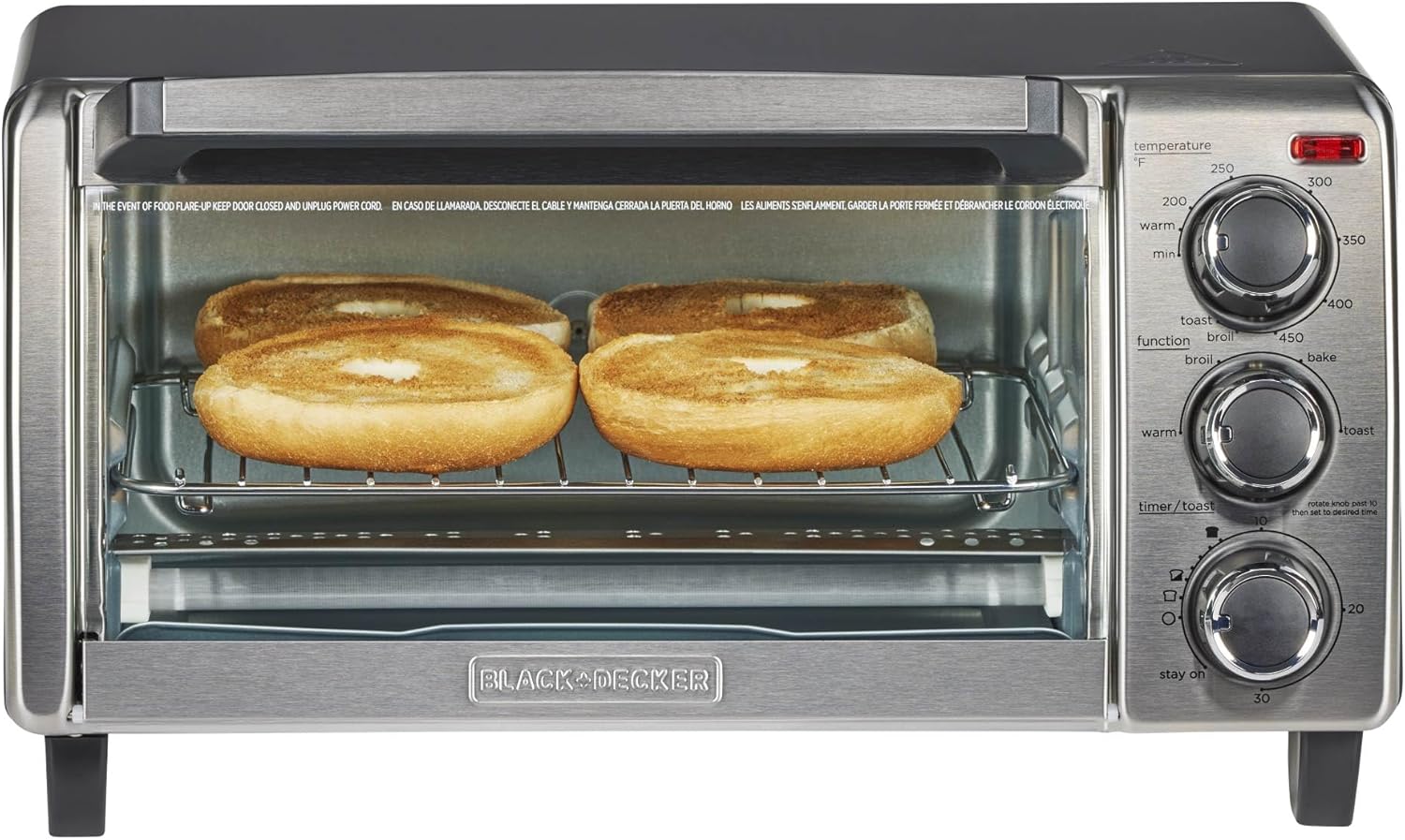
BLACK+DECKER
BLACK+DECKER TO1313SBD 4-Slice Toaster Oven
Check price
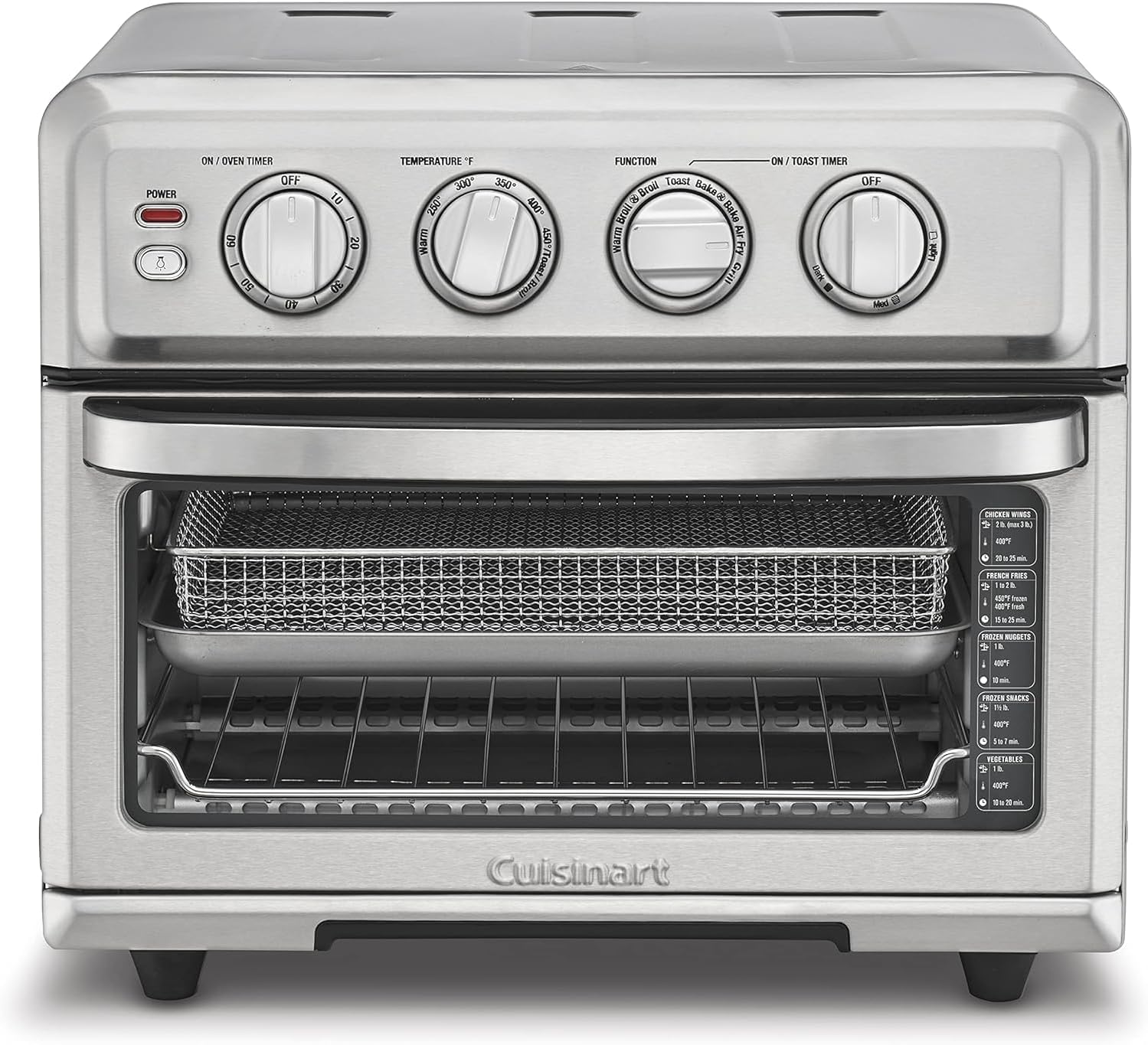
Cuisinart
Cuisinart TOA-70NAS Air Fryer Toaster Oven 8-in-1
Check price
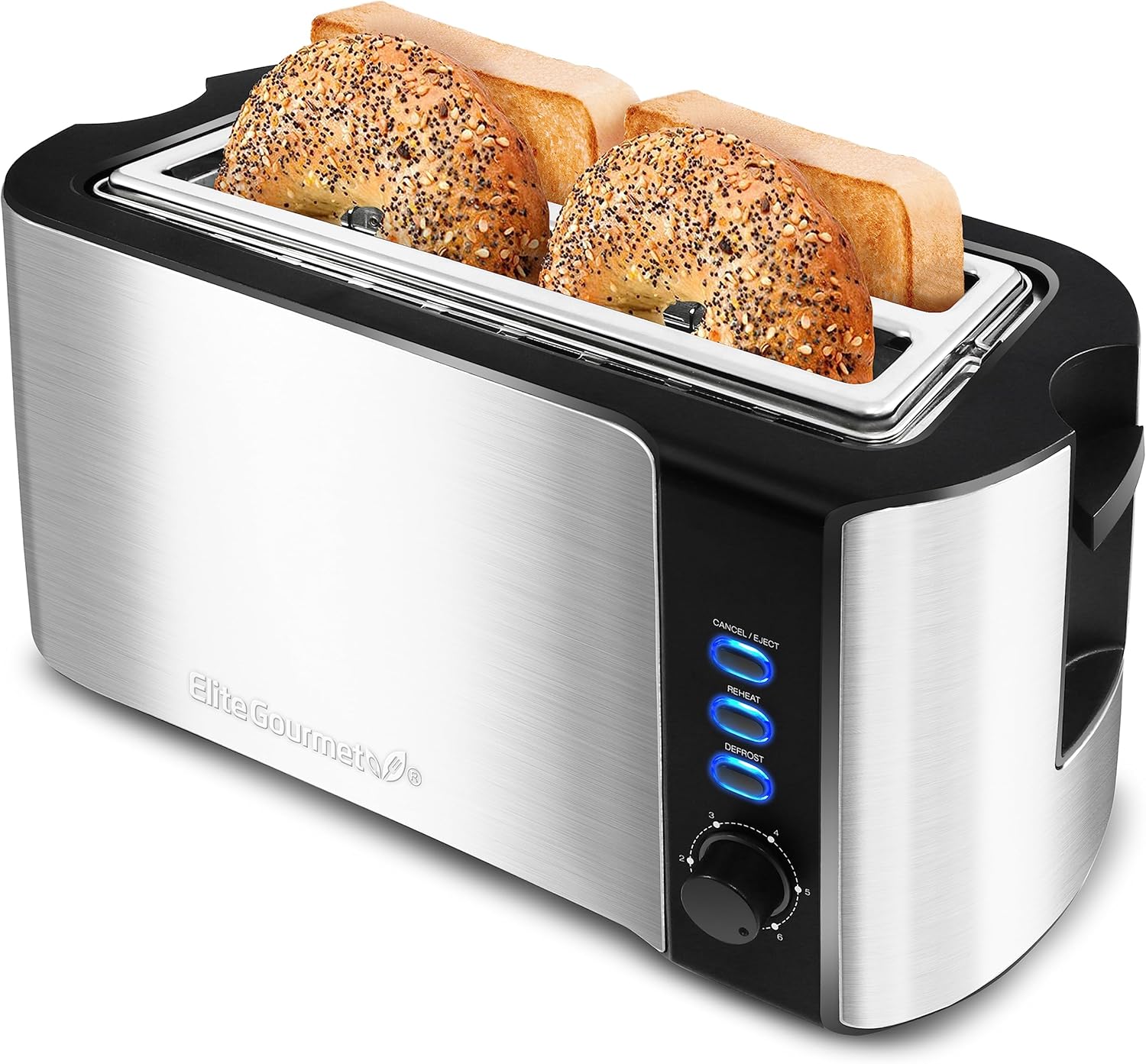
Elite Gourmet
Elite Gourmet ECT-3100 4-Slice Long Slot Toaster
Check price
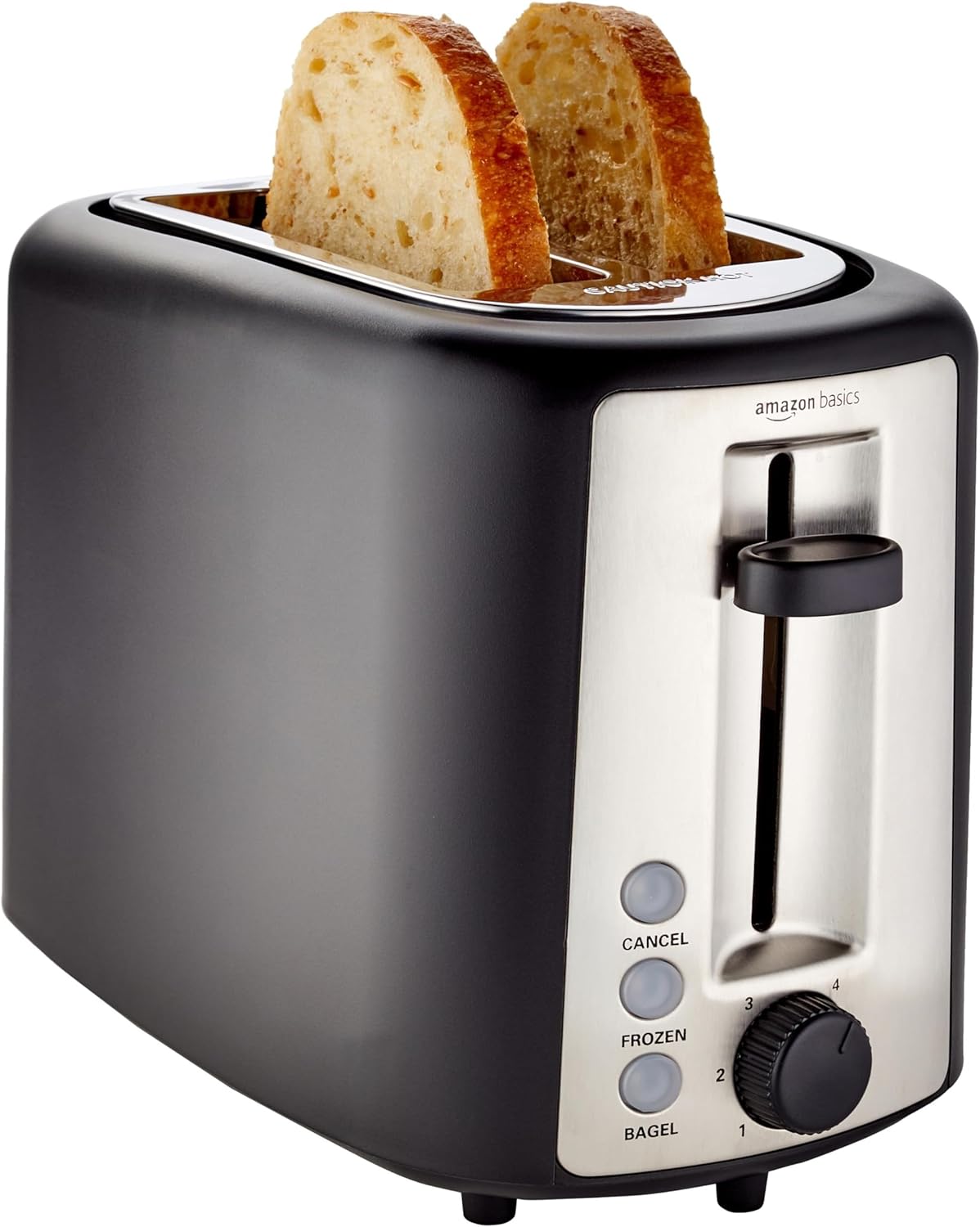
Amazon Basics
Amazon Basics 2-Slice Toaster with Extra-Wide Slots
Check price
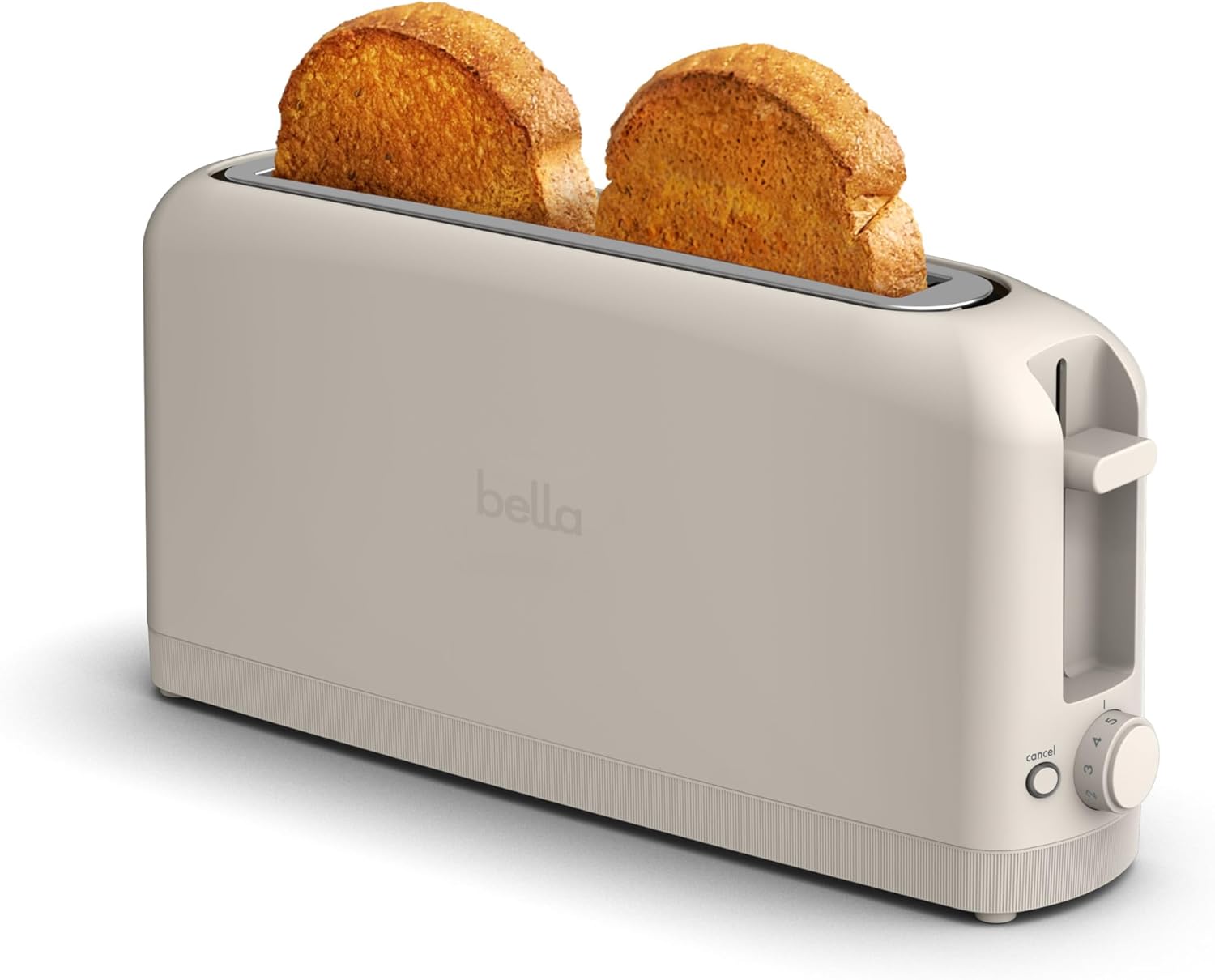
BELLA
BELLA 2-Slice Slim Toaster with 10" Long Slot
Check price
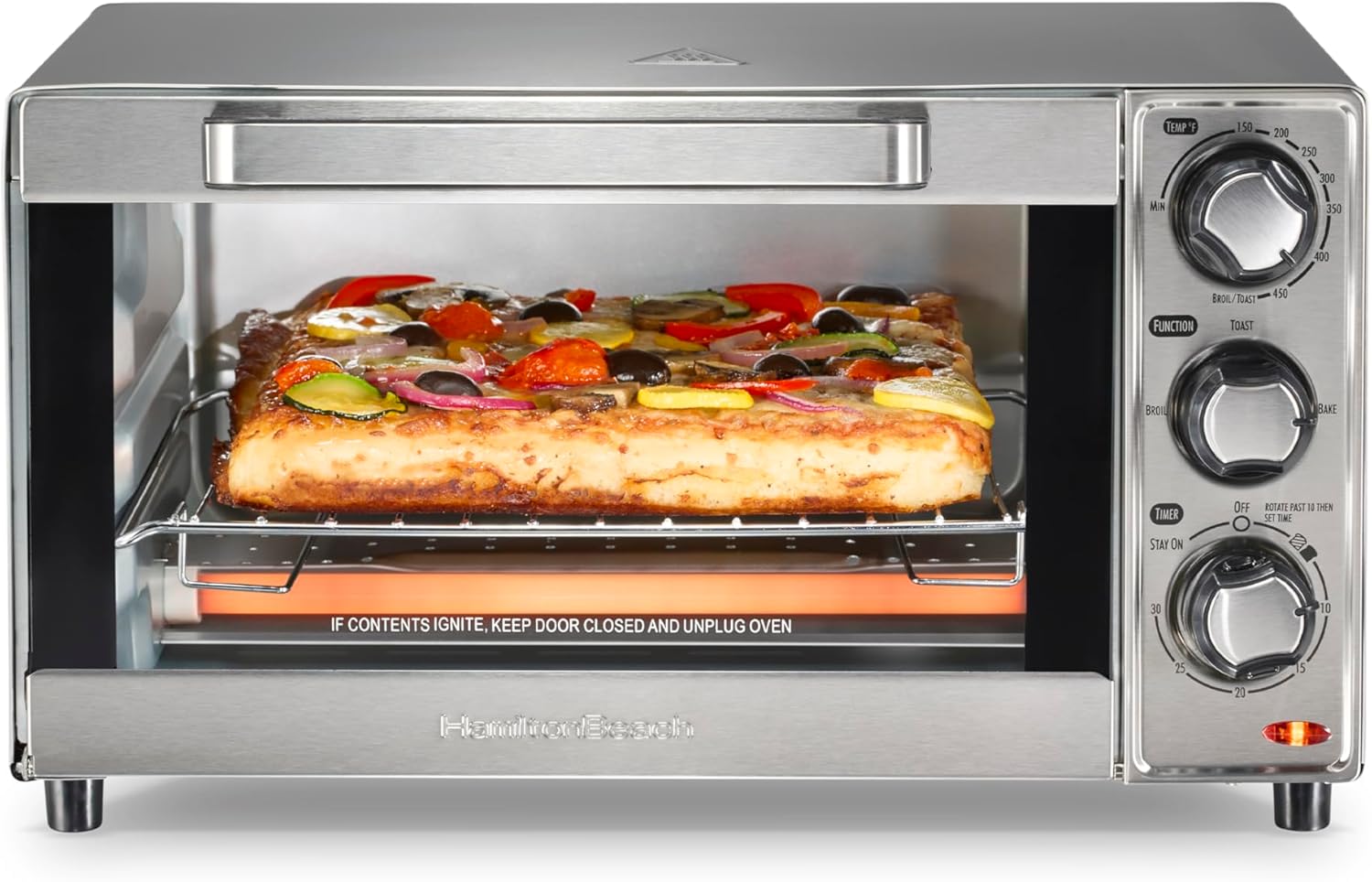
Hamilton Beach
Hamilton Beach 31401 Countertop Toaster Oven & Pizza Maker
Check price
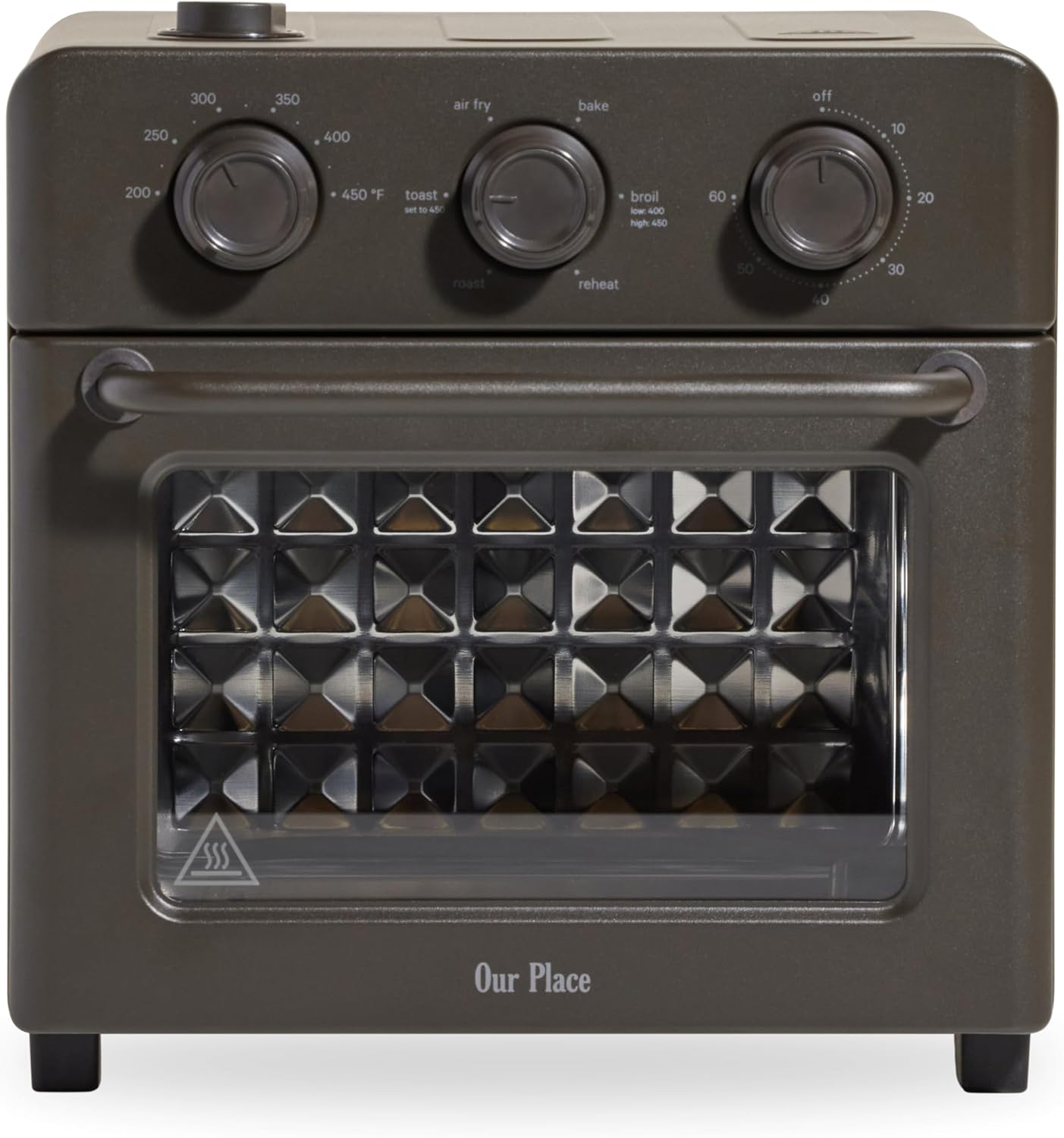
Our Place
Our Place Wonder Oven | 6-in-1 Air Fryer Toaster Oven Combo
Check price
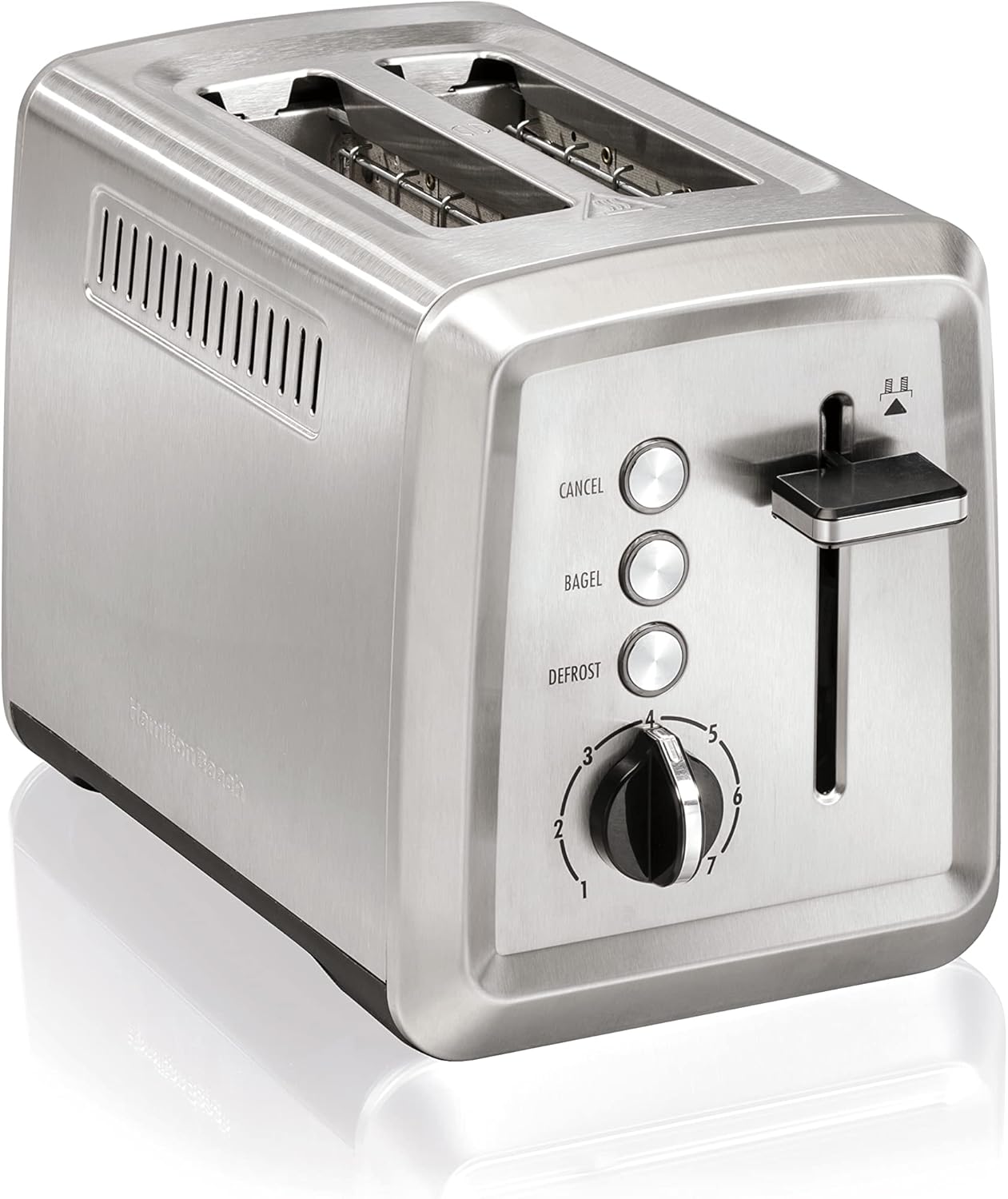
Hamilton Beach
Hamilton Beach 2-Slice Toaster with Extra-Wide Slots & Bagel Setting
Check price
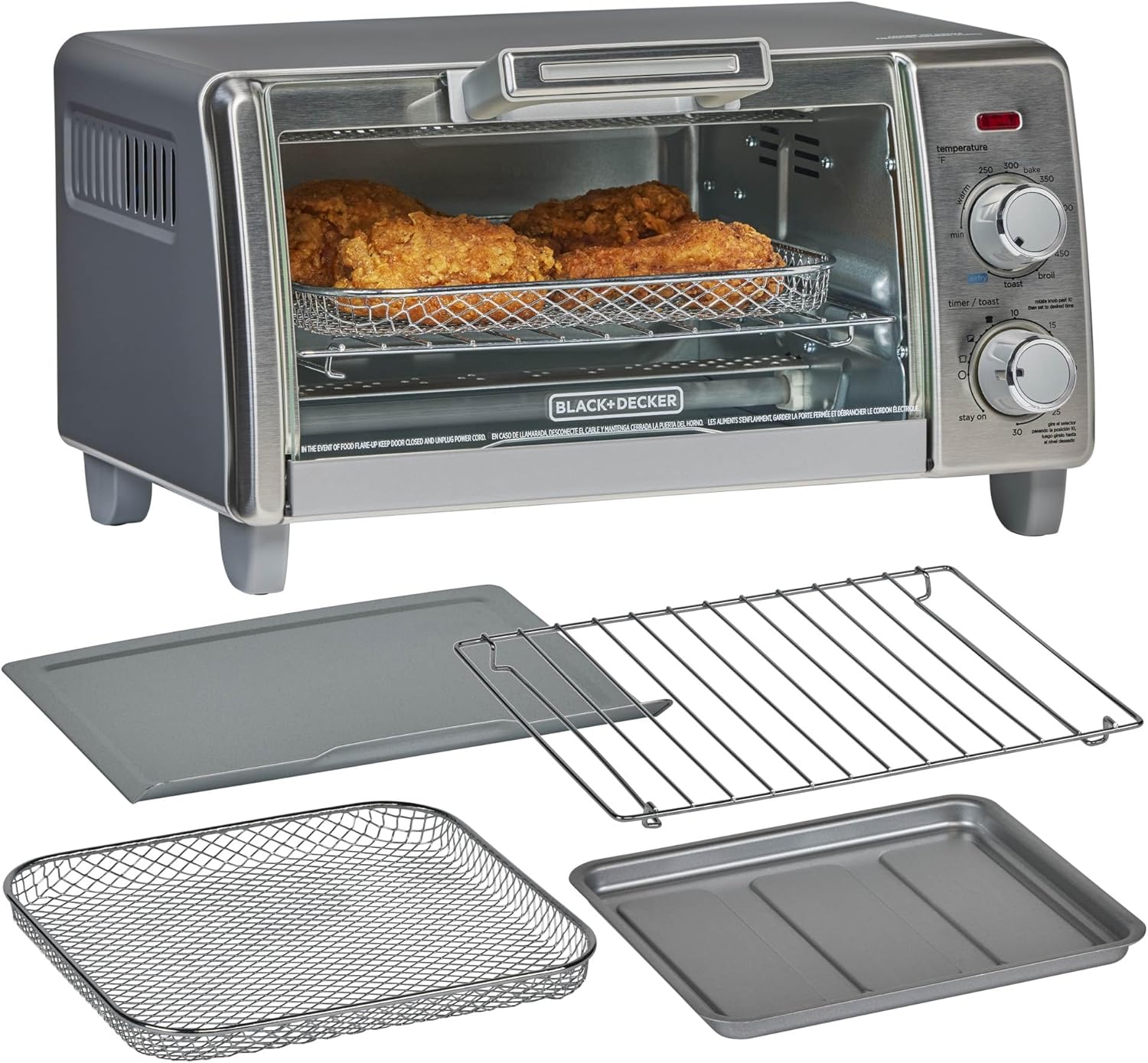
BLACK+DECKER
BLACK+DECKER Crisp 'N Bake Air Fry Toaster Oven
Check price
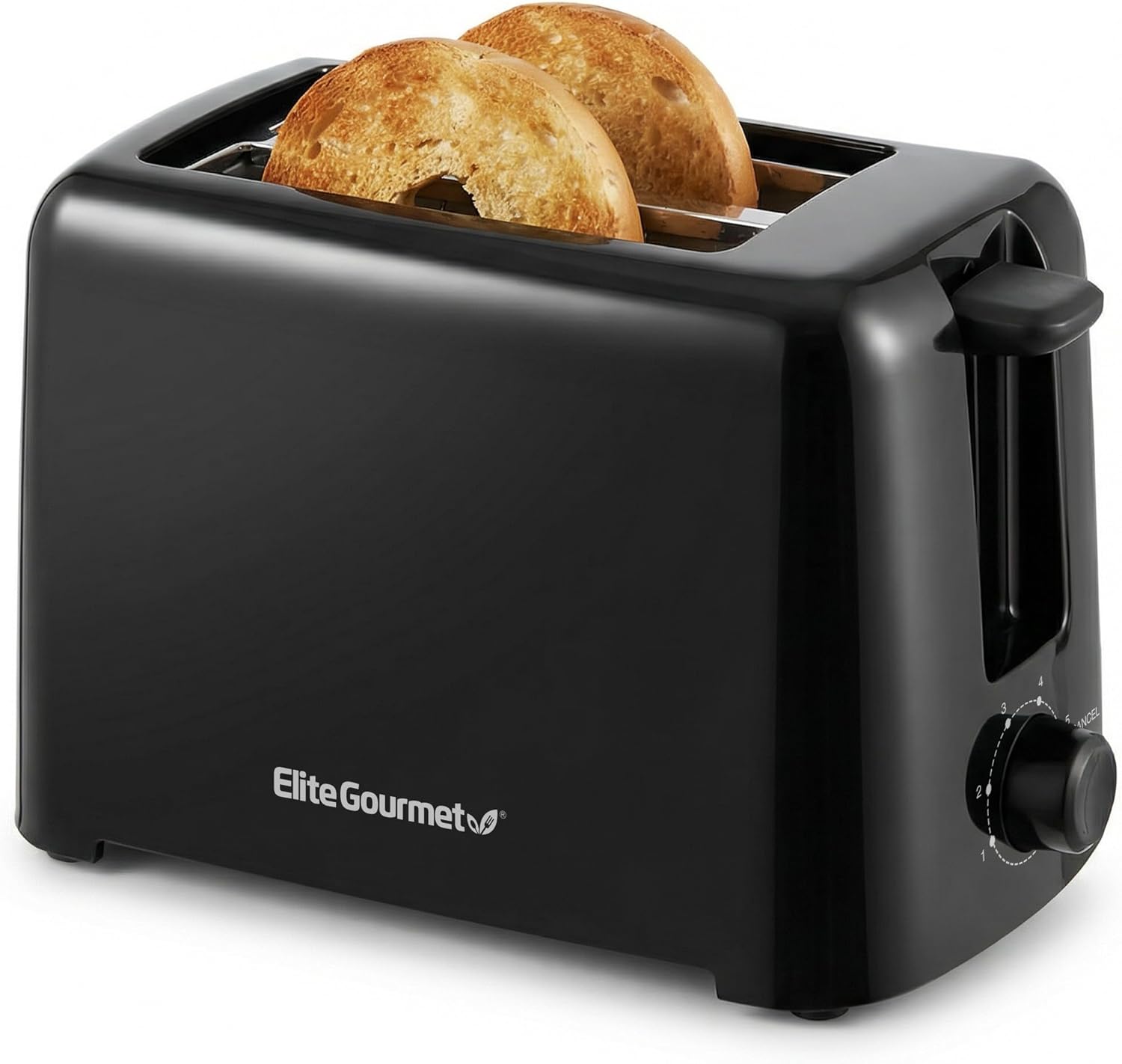
Elite Gourmet
Elite Gourmet 2-Slice Cool Touch Toaster
Check price
Frequently asked questions
Pop-up toaster or toaster oven?
Both if you can. Pop-up is faster and more even for bread and bagels. Toaster oven is more versatile: pizza, reheat, small roasts, even baking.
Is a convection toaster oven worth it?
Yes if you cook for one or two. A good convection toaster oven from Breville or Panasonic replaces a full oven for many weeknight tasks and uses roughly a third of the energy.
Why do cheap toasters toast unevenly?
Short or misaligned heating elements, weak wattage, and lack of a centered bread carriage. You can see the under-toasted stripe on the bread; the element isn't long enough.