
Best Microwaves
Countertop and built-in microwaves ranked by power, evenness, and ease of use.
3 reviews
Category Overview
What to know about microwaves
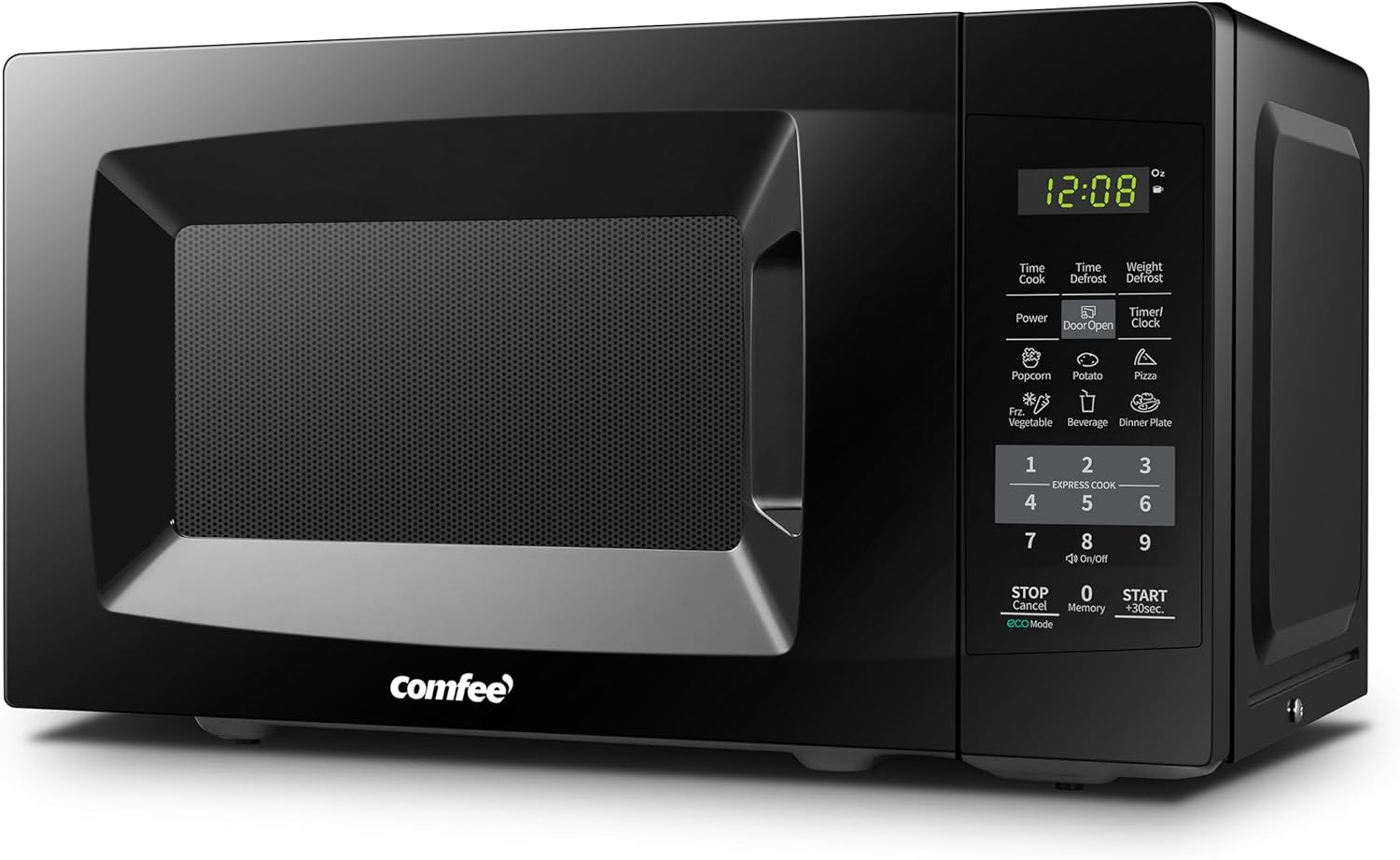
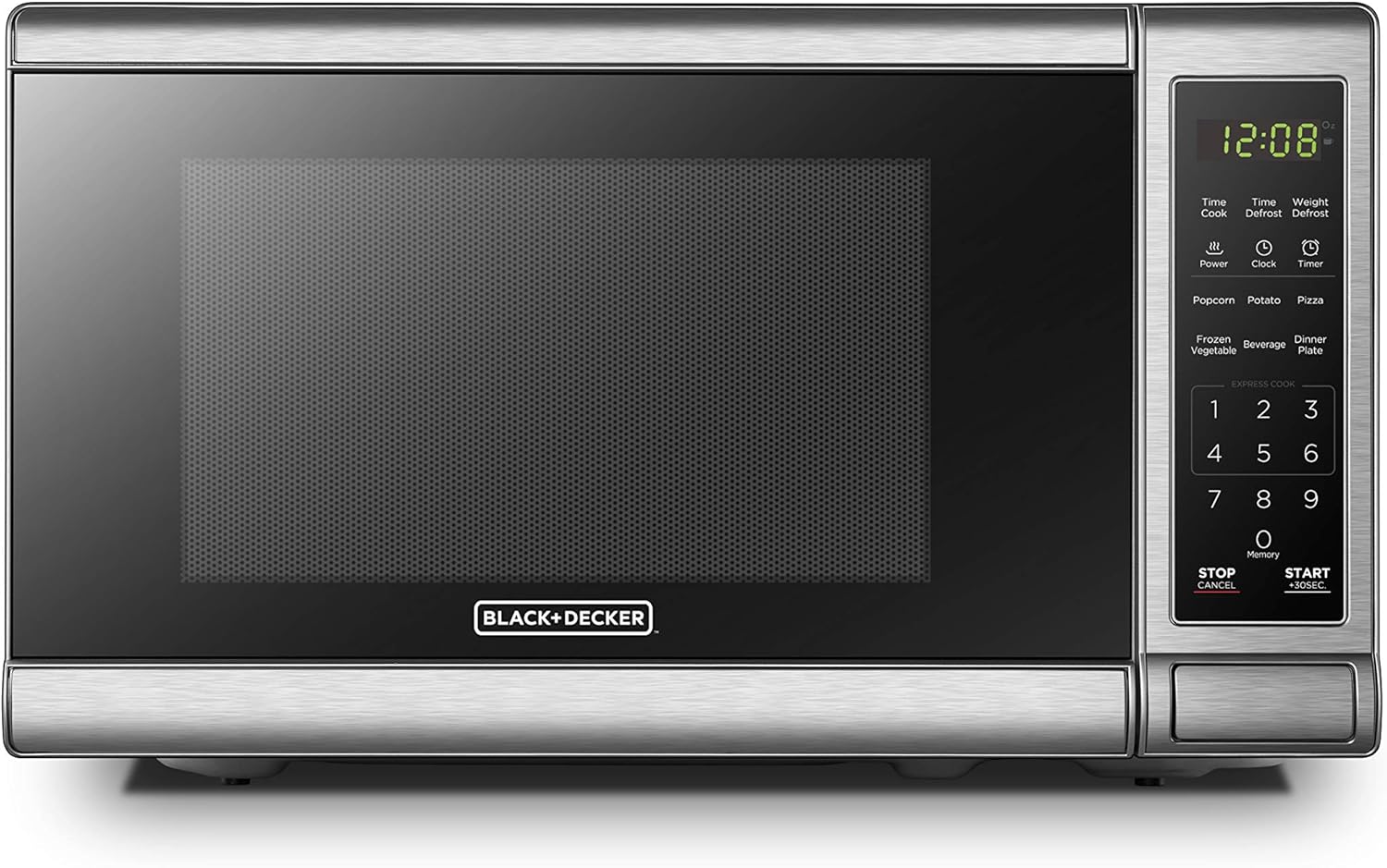
Countertop microwaves are the most-used appliance in American kitchens and the one people replace the least; which means buying a bad one hurts for years. The specs that matter most are usable cavity size (measured in cubic feet), wattage (which dictates heating speed and evenness), and turntable diameter. Sub-900-watt units reheat slowly and cook unevenly on frozen meals; 1,000 watts is the modern minimum, and 1,200-watt inverter models give the most even results, particularly for defrosting.
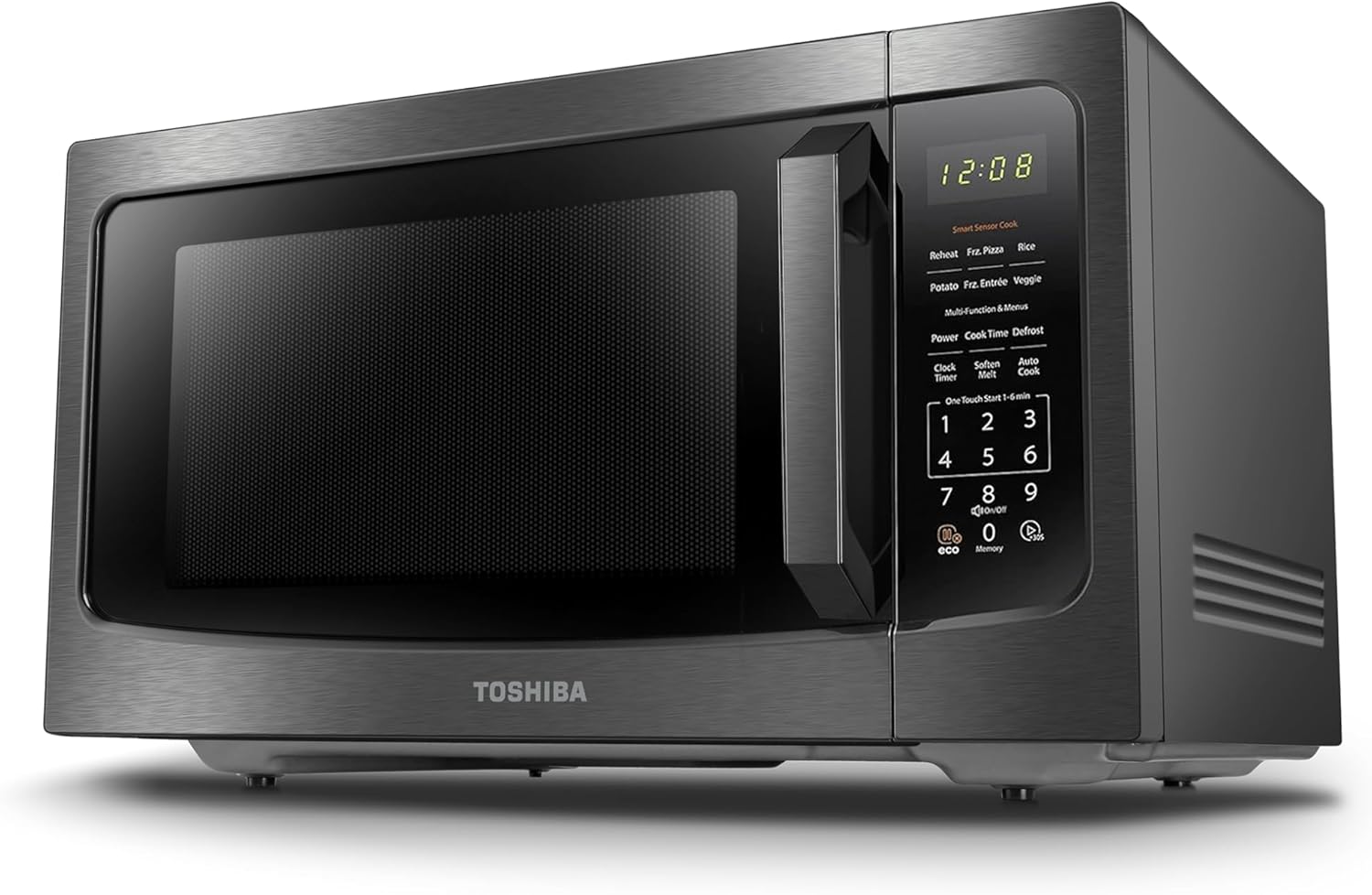
Cavity space matters more than you'd expect; a standard 9-inch dinner plate needs at least a 1.2 cubic foot interior with a 13.5-inch turntable, and a lot of cheap microwaves fall short. Sensor cooking works well on the better brands (Panasonic, Toshiba, Breville) and poorly on budget units. Inverter technology, unique to Panasonic's NN series and a few clones, replaces the usual on-off magnetron cycle with a continuous variable output, which is why it's so much better at low-power tasks like softening butter or defrosting without cooking the edges.
We tested every microwave below by reheating pizza, boiling water, defrosting frozen salmon, and popping a full bag of popcorn. Rankings factor in wattage, evenness, controls, noise, and build quality.
Frequently asked questions
How many watts do I need in a microwave?
1,000 watts is the modern minimum for good reheating and cooking speed. 1,200-watt inverter models are the best class for evenness and defrosting.
What is inverter microwave technology?
An inverter microwave uses continuous variable power instead of pulsing full-blast on and off. That means genuinely gentle low-power cooking; better for defrosting, softening butter, and melting chocolate.
Do I need sensor cooking?
It's useful if you reheat leftovers, popcorn, or frozen meals regularly. Sensor features work well on Panasonic, Toshiba, and Breville, and poorly on the cheapest units.